
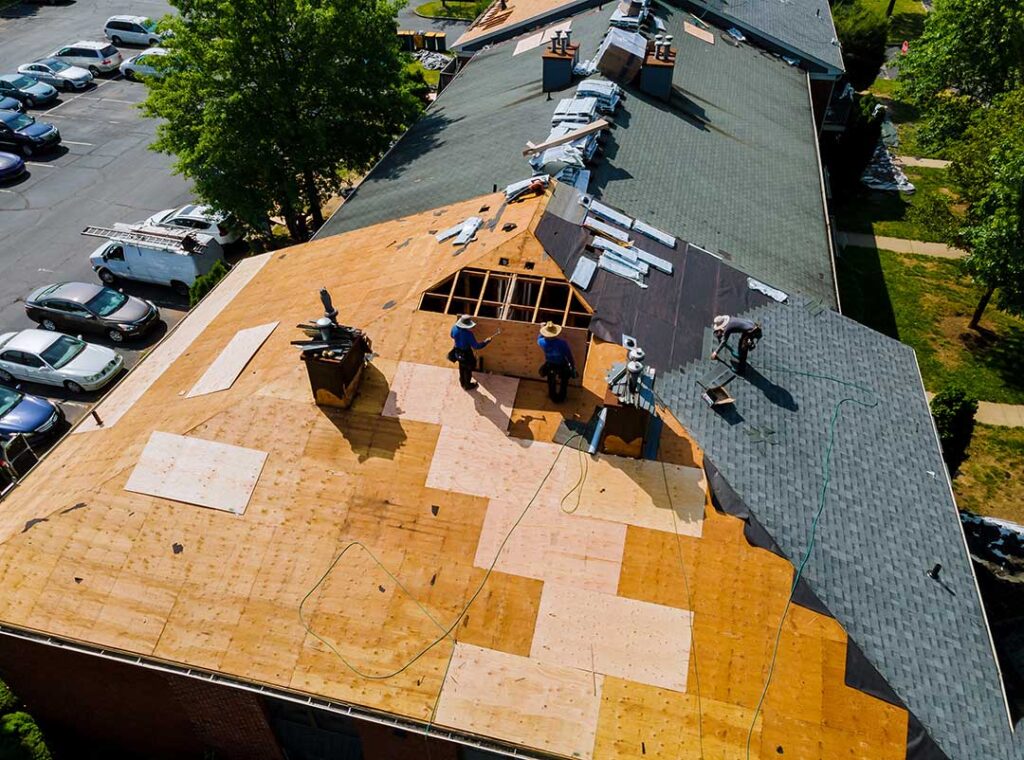
Walking on a roof is risky even when the surface looks dry, clean, and stable. Residential roofs can contain hidden weak spots, slippery granules, loose materials, exposed fasteners, and edges that are difficult to judge from ground level. The safest approach is to avoid climbing unless the task is necessary, the roof is designed for foot traffic, and the conditions can be controlled.
Is it safe to walk on a residential roof?
Usually, a residential roof should be treated as a surface for weather protection, not as a walking area. Occasional access may be possible on a low-slope roof with suitable conditions, but many sloped roofs are unsafe for anyone who is not trained and properly equipped.
Before considering access, ask:
- Is the roof steep, wet, icy, frosted, or covered with moss?
- Are there overhead wires, tree branches, antennas, or other obstacles?
- Is the roof surface visibly sagging, cracked, loose, or damaged?
- Can the work be completed from a ladder, window, attic, or ground level?
- Is there a safe way to prevent a fall from the roof edge?
If the answer to any of these questions raises concern, staying off the roof is the safer choice. A fall from even a one-story roof can cause serious injury.
Which roof surfaces are easiest to walk on?
Low-slope roofs with firm, properly supported surfaces are generally easier to navigate than steep roofs, but “easier” does not mean risk-free. Walking conditions also depend on the roofing material.
Asphalt shingles
Asphalt shingles can be damaged by foot traffic, especially in warm weather when the surface softens. Granules may loosen, edges can curl or crack, and repeated pressure can shorten the roof’s service life. Walking across exposed shingle tabs may also reduce traction.
If access is unavoidable, place feet near the lower portions of the shingles where the roofing material is supported by the roof deck beneath it. Avoid stepping on raised, curled, cracked, or missing shingles.
Metal roofing
Metal panels are often slippery, particularly when wet, frosted, dusty, or coated with pollen. They may also have concealed seams, fasteners, or areas weakened by corrosion. Some panels dent easily under concentrated weight.
Never assume that a metal roof is safe because it looks smooth and strong. Footwear must provide reliable traction, and walking paths should be planned around seams and unsupported areas.
Slate, tile, and fragile specialty materials
Slate, clay tile, concrete tile, and similar materials can crack under body weight. Broken pieces may create sharp edges and allow water into the roof system. These surfaces should generally not be walked on without specialized training and equipment.
Membrane and low-slope roofing
Flat or low-slope membranes can be punctured by sharp debris, tools, fasteners, or concentrated pressure. Some roofs have designated walk pads, but those paths should not be assumed to exist unless they are clearly installed and maintained.
What conditions should stop someone from climbing?
Weather and seasonal conditions are major safety factors in Lake View, NY. Snow, freezing temperatures, wind, and rapid changes between thawing and refreezing can create hazards that are difficult to see from the ground.
Do not climb onto a roof when:
- The surface is wet from rain, dew, or melting snow.
- Ice or frost is present, even in small patches.
- Wind makes ladder movement or balance difficult.
- Snow covers the roof surface, vents, skylights, or roof edges.
- The roof is hot enough to soften asphalt shingles.
- Visibility is poor because of darkness, fog, heavy rain, or blowing snow.
- Lightning or thunderstorms are nearby.
A roof can remain slippery after precipitation appears to have stopped. Shaded areas, north-facing slopes, valleys, and locations near trees may stay damp or icy longer than other sections.
How should a ladder be used for roof access?
A ladder is often the first major fall hazard. It should stand on level, stable ground, away from soft soil, ice, mud, or uneven landscaping. The ladder should extend above the roof edge far enough to provide a secure handhold during the transition.
Before climbing:
- Inspect the ladder for bent rails, damaged rungs, loose hardware, and contamination.
- Keep the base clear of doors, pets, children, vehicles, and foot traffic.
- Set the ladder at a stable angle rather than placing it nearly vertical.
- Face the ladder while climbing and keep both hands available.
- Carry tools in a belt or hoist them after reaching a safe position.
- Do not climb while carrying bulky materials.
- Have another adult stabilize the ladder when conditions are uncertain.
Never move, extend, or reposition a ladder while standing on it. Extension ladders should not be placed near overhead electrical conductors.
What should someone wear on a roof?
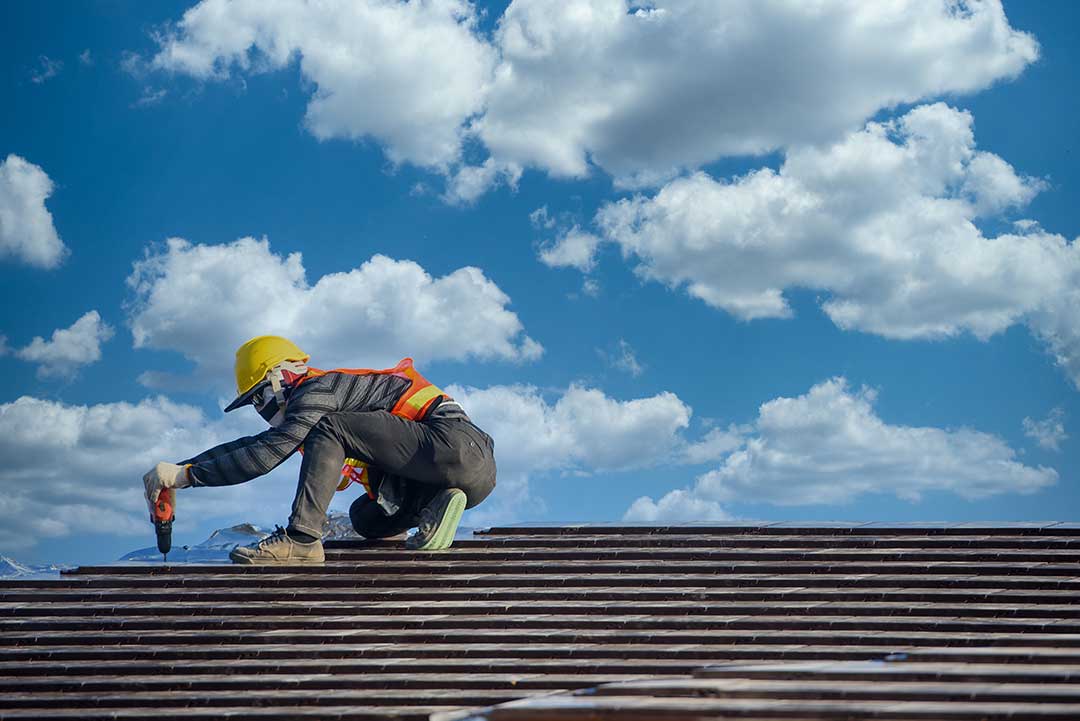
Footwear should have clean, flexible soles with strong traction. Shoes with worn tread, smooth leather soles, loose mud, or heavy debris can cause a slip. Avoid bulky clothing that restricts movement or catches on roof components.
A properly fitted fall-protection system may be necessary for certain roof work, but safety equipment only helps when it is correctly selected, anchored, inspected, and used according to its instructions. A rope tied to a chimney, vent pipe, gutter, or improvised object is not a dependable fall-arrest system.
Gloves can improve grip during ladder use, but they do not prevent a person from sliding on a roof. Eye protection may also be useful when handling loose granules, debris, or deteriorated roofing materials.
How can roof damage be avoided while walking?
Roof damage often happens when someone steps in the wrong place or carries tools that scrape the surface. Plan a short route before climbing and avoid unnecessary movement.
Keep weight off:
- Skylights and translucent roof panels
- Roof vents and plastic components
- Gutters and downspouts
- Flashing around chimneys, walls, and valleys
- Loose shingles, exposed underlayment, and damaged decking
- Areas that sag, feel soft, or appear discolored
Do not drag ladders, buckets, hoses, or tools across roofing materials. Use a tool belt or a controlled lifting method. Avoid walking in roof valleys, where water and debris collect, unless the surface is clearly sound and access is necessary.
A soft spot is a warning sign. It can indicate deteriorated sheathing or hidden moisture damage. Stop immediately rather than testing the area with additional weight.
What should residents do after snow, ice, or a storm?
After a Lake View storm, many roof conditions cannot be judged safely from ground level. Wind may loosen shingles, shift flashing, damage vents, or leave branches and other debris in unstable positions. Snow can conceal roof edges and skylights.
A ground-level inspection is safer. Use binoculars to look for:
- Missing or displaced shingles
- Hanging metal or flashing
- Sagging roof lines
- Damaged gutters
- Debris near valleys or drainage areas
- Water stains in attic spaces or upper ceilings
Do not climb onto a roof to clear snow unless the work can be performed with appropriate equipment and a safe plan. Shoveling from a roof can damage shingles and create falling-snow hazards. Snow removal from ground level also requires caution around people, windows, vehicles, and utility lines.
When should someone stay off the roof entirely?
Stay off the roof when there is visible structural damage, uncertain decking, active leaking, significant snow or ice, steep pitch, limited edge protection, or no safe ladder setup. People with balance problems, medical conditions affected by exertion, or a fear of heights should not attempt roof access.
If an inspection cannot be completed safely from the ground, attic, or a properly secured access point, the hazard itself is useful information: the task requires equipment, training, or conditions that are not currently available. Avoiding a fall is more important than obtaining a close-up view of a shingle or gutter.
