

What Happens During a Roof Tear-Off?
A roof tear-off involves removing every layer of existing roofing material down to the bare roof deck. This is different from adding an additional layer—every shingle, underlayment, and flashing comes off. The reason for a full tear-off is to start with a clean slate, ensuring the new roof is structurally sound and free from hidden issues.
In Lake View, NY, most homes have roofs built with asphalt shingles, which can develop leaks or wear out due to the area’s seasonal temperature swings and winter weather. A tear-off allows for inspection of the underlying decking, which can reveal and address soft spots or rot caused by past moisture intrusion.
Why Is a Tear-Off Sometimes Required Instead of a Roof Overlay?
A full tear-off is usually preferred or required when:
- The current roof has significant damage, such as soft decking or water leaks
- More than one layer of shingles exists (local codes typically limit this)
- There is evidence of mold, rot, or long-term moisture issues
Overlays (adding new shingles over old) can mask problems and add weight, which isn’t ideal for the types of roofs common in older Lake View households. Local weather contributes to thermal cycling (expansion and contraction), so starting fresh ensures maximum lifespan for the new installation.
What Should Residents Prepare For During a Roof Tear-Off?
Expect noise, dust, and vibrations for at least one to three days, depending on roof size and complexity. Crews will arrive early, and the entire property—especially the perimeter around the house—should be cleared of vehicles, outdoor furniture, and valuables.
Common preparations include:
- Moving cars out of driveways or garages
- Covering attic contents and storing fragile items elsewhere
- Bringing pets indoors or relocating them during work hours due to noise and debris
- Informing neighbors about increased activity or temporary inconvenience
It’s helpful to know that roof debris is usually removed in large bins or dumpsters placed on site. Expect some vibrations indoors, especially in older homes.
How Are Weather and Local Climate Factored In?
In Lake View, cold snaps, rain, and early season snowstorms are real considerations. Most tear-offs are scheduled during the late spring, summer, or early fall months for predictable weather. Sudden rainstorms, popular in this region, may mean crews cover the exposed decking with tarps to prevent water damage if a project is unexpectedly interrupted.
Residents should not worry about roof decking being left exposed overnight; reputable crews use weather monitoring and always secure temporary covering if needed.
Does a Roof Tear-Off Create a Lot of Mess or Damage?
Old roofs can be messy to remove, but experienced teams are trained to minimize property impact. Initially, expect a flurry of activity as shingles and nails are ripped away. Most debris lands in designated drop zones around the building, collected on tarps for removal.
Sometimes, landscaping near the home may experience light impact, especially with older shrubs or beds located close to the structure. Local homes often have tight lots or shared driveways, making clear communication and temporary adjustments to outdoor arrangements wise.
Magnetic rollers are typically used to sweep for stray nails in lawns and driveways after work is completed, reducing the chance of injury or tire puncture.
What Hidden Issues Might Be Discovered?
Shingle removal can uncover hidden problems like:
- Rotted or soft plywood decking
- Signs of past leaks or mold around vents and chimneys
- Poor ventilation or outdated flashing
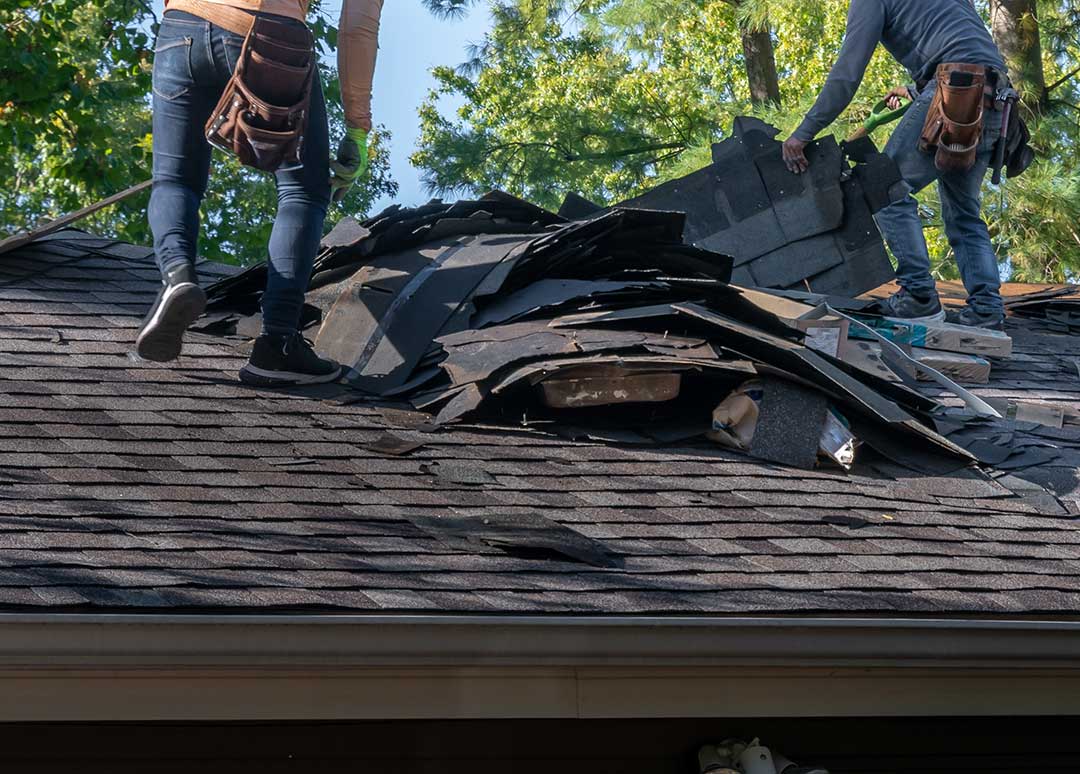
Addressing these during a tear-off can prevent future damage. Lake View’s seasonal freeze-thaw cycles make it especially important to ensure the decking is sound and attic ventilation is correct.
How Long Does a Roof Tear-Off Take?
Most residential tear-offs in this area are completed within one to three days. Factors influencing duration include:
- Overall roof size and number of stories
- Number of layers being removed
- Weather interruptions
- Discovery of unexpected decking or framing issues
Uncomplicated, single-layer jobs on typical local homes are often completed in a single day, while larger or more challenging restorations may take longer.
Can Residents Stay Home During the Roof Tear-Off?
Staying home is usually possible, but be prepared for loud noises, vibrations, and outdoor restrictions. Daytime disruptions are significant but temporary. While roofers work overhead, children and pets should remain safely indoors. Upper floors may shake during active removal, which can worry some residents in older houses. For those sensitive to loud noise or who work from home, temporary relocation may be more comfortable.
What Are Common Misconceptions About Roof Tear-Offs?
Many people think adding a new roof over an old one is always faster or cheaper—but in climates like Lake View, this can invite trouble. Overlays often hide structural damage, and the added weight can strain roof framing, especially after wet, snowy winters.
Another misconception is that debris will scatter throughout the yard. In reality, crews use protective barriers and perform detailed cleanups, although some small debris may occasionally be missed in grass or planting beds.
What Happens After the Old Roof Is Removed?
Once the old layers are gone, the decking is inspected and repaired as needed. Any discovered damage is replaced right away to ensure the surface is solid. Next steps are ice/water barriers, underlayment installation, new flashing, and finally the roofing material itself. This prep phase can uncover surprises but also provides the reassurance that the new roof is built on a sound foundation—critically important for long-term protection against the area’s changing seasons.
