
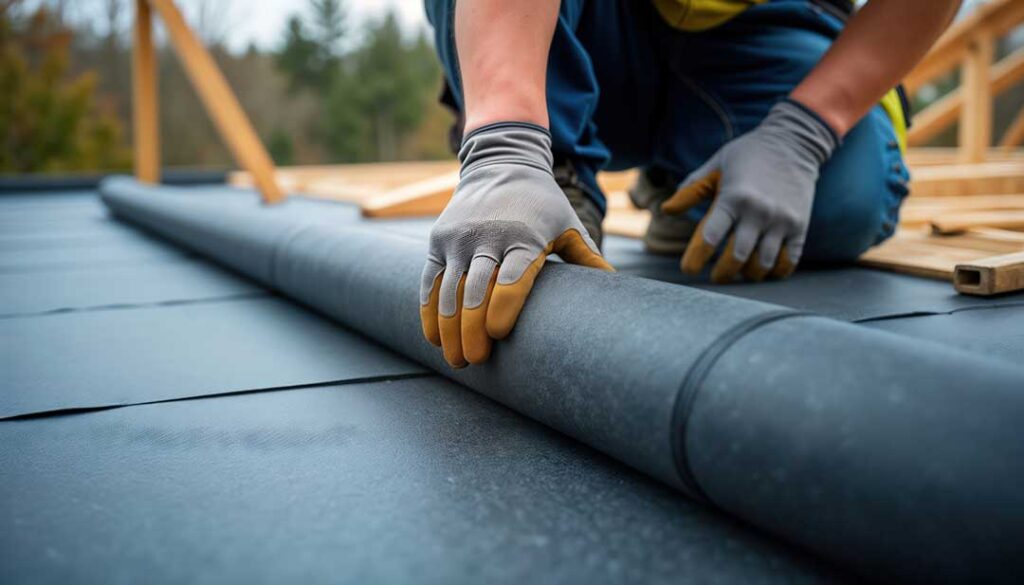
A roof can influence home value in two different ways: it can support a buyer’s confidence when it is in good condition, or create uncertainty when its age and performance are unclear. In Lake View, NY, where homes experience snow, wind, freeze-thaw cycles, and moisture from the surrounding Great Lakes region, the roof is a particularly visible part of a property’s overall condition.
A new roof does not automatically add its full installation cost to a home’s selling price. Its value often comes from preventing deductions, reducing buyer concerns, improving appearance, and making the property easier to evaluate.
Does a new roof increase home value?
Usually, a new roof can improve a home’s marketability and protect its value, but the financial return varies. Buyers may not pay dollar-for-dollar for the replacement, especially if the existing roof is still serviceable. However, a recently installed roof can reduce the risk of near-term repair costs and remove a major point of negotiation.
The effect tends to be strongest when:
- The old roof is visibly worn, leaking, or near the end of its expected service life
- A home inspection is likely to identify roof problems
- Comparable homes in the area have newer roofing systems
- The roof replacement corrects ventilation, flashing, or drainage issues
- The new roof improves the property’s exterior appearance
A roof that is already in acceptable condition may provide less added value than a roof replacement that resolves known defects. In that situation, the improvement is less about creating a luxury feature and more about avoiding a problem that could delay or weaken a sale.
Why does roof condition matter to buyers?
Roof repairs can be expensive, disruptive, and difficult to predict. Buyers often view a roof as a major building component because failure can affect ceilings, insulation, wall framing, personal belongings, and indoor air quality.
A roof that appears near the end of its useful life may lead buyers to ask:
- How many years remain before replacement?
- Has the roof leaked during heavy rain or snow?
- Are there damaged shingles, exposed fasteners, or deteriorated flashing?
- Is attic ventilation adequate?
- Has moisture affected the sheathing or insulation?
- Will an insurance company accept the roof’s age and condition?
Even if no active leak is present, uncertainty can reduce a buyer’s comfort. Some buyers may request a price reduction, a repair credit, or documentation before moving forward. Others may decide that the property requires too much immediate work.
How does Lake View’s climate affect roof value?
Local weather conditions make roof maintenance and installation quality especially relevant. Lake View homes can experience heavy snow, wind-driven rain, ice formation, rapid temperature changes, and extended periods of damp weather. These conditions can expose weaknesses in shingles, flashing, underlayment, gutters, and attic ventilation.
Freeze-thaw cycles are a particular concern. Water can enter small cracks or openings, freeze, expand, and gradually enlarge the damaged area. Ice buildup near eaves can also contribute to water backing up beneath roofing materials when drainage and insulation conditions are not working properly.
A replacement roof may add more practical value when it includes sound details such as:
- Properly installed flashing around chimneys, walls, skylights, and roof penetrations
- Adequate ventilation at the soffits and ridge or other designed exhaust points
- Correct underlayment for the roof design and local weather exposure
- Secure installation suited to wind conditions
- Gutters and downspouts that move water away from the foundation
- Careful attention to valleys, eaves, and areas where snow tends to accumulate
The visible roofing material matters, but the less visible components often determine how well the system performs.
Is a new roof better than a roof repair before selling?
Not always. A repair may be the more sensible choice when the roof is generally sound and the problem is limited, such as a small area of damaged shingles or localized flashing deterioration. Replacing an entire roof solely to improve resale value may not produce a proportionate financial return.
A full replacement deserves more consideration when the roof has widespread deterioration, recurring leaks, multiple patched areas, sagging, significant granule loss, or evidence of moisture damage. An inspection can help distinguish between a manageable defect and a system that is approaching the end of its service life.
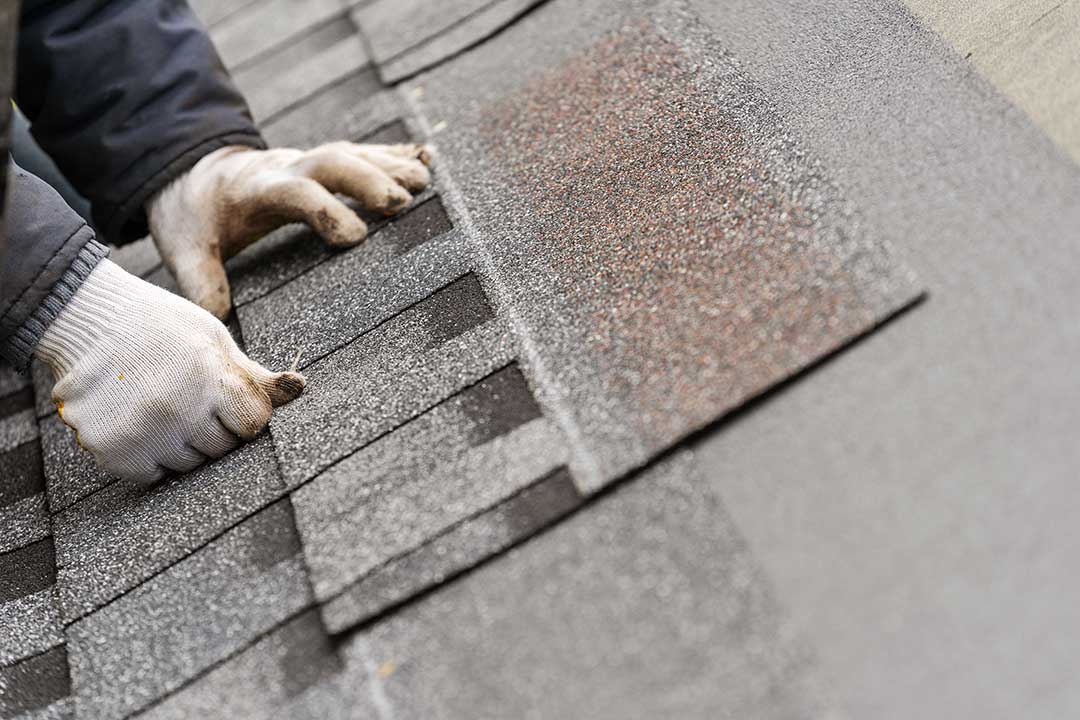
Sellers should also avoid covering up symptoms. New shingles placed over unresolved ventilation, deck, flashing, or moisture problems may create an improved appearance without solving the underlying issue. Buyers and inspectors may still identify those concerns.
What roof improvements are most noticeable to buyers?
Curb appeal matters because the roof can represent a large portion of a home’s visible exterior. A clean, uniform roof with properly finished edges can make the property appear better maintained. However, appearance alone is rarely enough to justify a major replacement.
Buyers are more likely to appreciate improvements that combine visual quality with evidence of responsible maintenance. Helpful records may include:
- The approximate installation date
- The type of roofing material used
- Warranty documents, when available
- Permits or completion records, if required
- Invoices describing the work performed
- Notes about repaired sheathing, flashing, ventilation, or drainage
- Before-and-after photographs of concealed areas
Documentation cannot compensate for poor workmanship, but it can reduce uncertainty and help a buyer understand what was actually done.
Can a new roof affect an appraisal?
An appraisal considers the property’s overall condition, comparable sales, location, size, design, and market expectations. A new roof may support the appraiser’s view that the home is well maintained, but it is not typically valued as a simple reimbursement of the replacement expense.
For example, a roof replacement may prevent an appraiser from treating the property as needing immediate major repairs. It may also help the home compare favorably with similar properties that have newer roofs. The exact effect depends on local market conditions and the condition of the rest of the house.
A roof cannot fully offset problems such as outdated mechanical systems, foundation concerns, poor drainage, or neglected exterior maintenance. Home value reflects the property as a whole.
Does a new roof lower insurance or maintenance costs?
Potentially, but homeowners should not assume that a new roof guarantees lower insurance premiums. Insurance rules, eligibility requirements, deductibles, and discounts vary by policy and company. Roof age and material may affect underwriting, but any expected change should be confirmed directly with the policy provider.
A properly installed roof can reduce the likelihood of certain water-related repairs. It may also make routine maintenance more predictable. Still, even a new roof requires inspections after severe weather, cleaning of roof drainage systems, and attention to nearby tree limbs or signs of attic moisture.
What should homeowners consider before replacing a roof for resale?
The most useful question is not simply, “Will a new roof raise the sale price?” It is, “What problem will the replacement solve, and how will that improvement be recognized by the market?”
Consider the roof’s remaining service life, visible condition, repair history, documentation, and relationship to the condition of the rest of the property. If the roof is functional and has several reliable years remaining, preventive maintenance and clear records may be more financially sensible than immediate replacement.
If the roof is failing, a replacement can protect the home’s value by reducing buyer objections and limiting the chance of inspection-related negotiations. In Lake View, that decision should account for moisture management, snow exposure, ventilation, flashing, and drainage—not just the appearance of the shingles.
A roof is most valuable when it performs as part of a complete building system. Its contribution to home value comes from durability, credible maintenance history, reduced uncertainty, and the confidence that the house is prepared for the weather it regularly experiences.
