

Why Protecting Your Roof Matters During Renovations
Renovation work can unintentionally damage a home’s roof, leading to costly repairs if precautions aren't taken. In Lake View, NY, where weather can shift quickly and older housing stock is common, maintaining roof integrity before, during, and after upgrades is crucial. Whether updating siding, adding a new dormer, or reworking interior spaces, local residents should know how renovations could put their roofs at risk and what proactive steps limit those hazards.
What Parts of Home Renovations Threaten the Roof Most?
Any project that disturbs, uncovers, or loads the roof increases risk—even work not directly on the rooftop. Common risk factors in the city’s homes include:
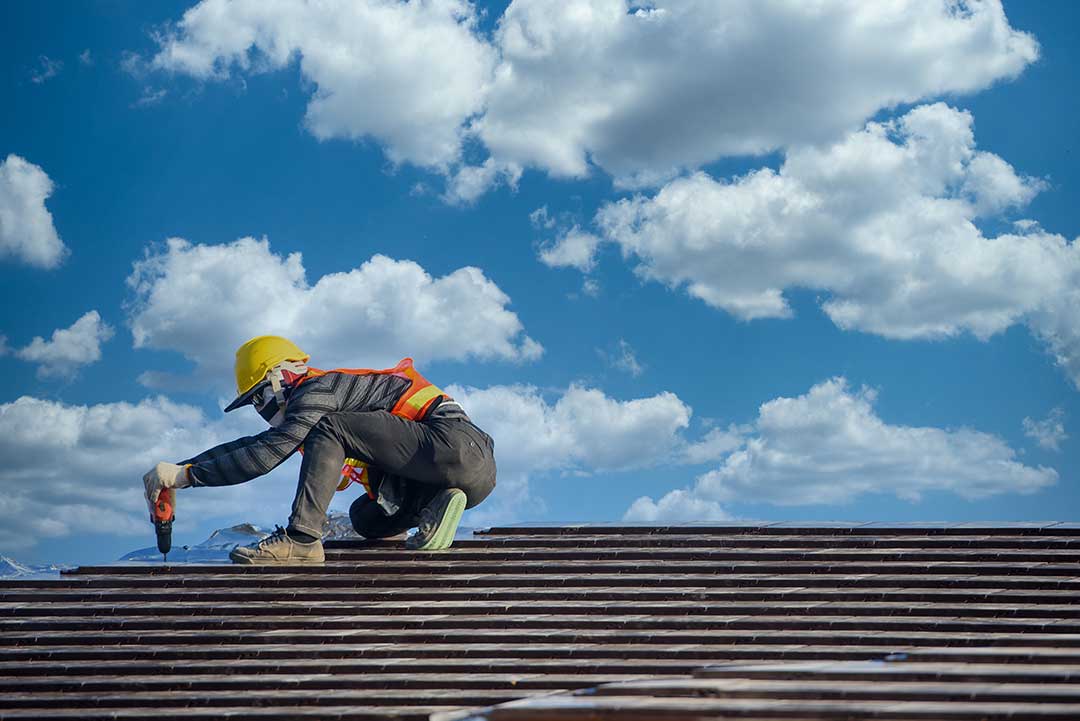
- Workers walking on shingles, which can crack asphalt or dislodge granules, especially in colder months
- Storing heavy materials or equipment on the roof, potentially denting or stressing decking
- Demolition debris (like falling tiles, nails, or tools) hitting roofing surfaces
- Scaffold or ladders braced against gutters, causing bending, sagging, or detachment
- Chimney, vent, or skylight modifications where improper sealing can cause future leaks
Understanding which parts of a renovation are most hazardous helps homeowners plan appropriate safeguards.
How Should You Prepare a Roof Before Renovation Starts?
Begin by assessing the expected impact of the specific renovation. Most local projects benefit from:
- Inspecting and photographing the existing roof, so any new issues are immediately obvious
- Clearing branches, leaves, or moss to prevent trapped moisture during work
- Tarping vulnerable areas, especially below construction eaves or next to high-traffic windows
- Coordinating with all involved contractors to establish clear rules about roof access and storage
For older roofs or those with already worn shingles, consider scheduling routine maintenance before any construction starts.
Can Tarps Alone Prevent Construction-Related Roof Damage?
Tarps are a simple first defense for short projects or during single-day disruptions, but they're not sufficient for significant structural work. Temporary coverings help:
- Shield existing shingles from paint or cleaning chemicals
- Catch debris falling from above
- Block moisture in case of sudden local rain
However, tarps can shift in strong winds—common in lakeside communities—leaving parts of the roof exposed. For multi-day work, securely fasten coverings and periodically check their placement. Avoid using tarps as a substitute for prompt repairs if accidental damage occurs during construction.
Should Renovation Materials or Trash Ever Be Placed On the Roof?
It may seem convenient to store siding panels, rolls of insulation, or toolboxes on the rooftop, but this should be strictly avoided whenever possible. In Lake View, rapid temperature swings and freeze-thaw cycles make roofing materials more brittle than in milder climates. Heavy weight can:
- Crack, peel, or create pressure points in asphalt shingles
- Loosen roof fasteners or nails
- Create dents that may be hard to spot but lead to premature leaks
Instead, set up ground-level staging areas or lay platforms across load-bearing beams—never atop exposed shingles.
How Does Seasonal Weather Add Extra Challenges?
Lake View’s proximity to Lake Erie means projects often contend with lake-effect snow, wind, and unpredictable rainfall. These weather patterns increase risks such as:
- Water intrusion under flashing or tarps during sudden storms
- Slip hazards for workers traversing steep roofs in wet or icy conditions
- Rapid weather changes making planned protection measures insufficient
Closely monitor weather forecasts during projects and keep emergency supplies—like extra tarps or plywood—on hand for quick cover-ups if conditions deteriorate.
What Precautions Protect Roof Vents, Chimneys, and Flashings?
Key vulnerability points often suffer collateral damage or misalignment during renovations. Proactive steps include:
- Taping off or clearly marking vent pipes and skylights to prevent damage from ladders or falling objects
- Confirming that any new roof penetrations (wiring, exhausts) are properly flashed and sealed using materials compatible with the season’s temperatures
- Checking chimney caps and flashing after work is completed to verify nothing shifted or cracked
Residents should make a checklist specific to their home’s features and consult manufacturer guidelines for safe work near unique roof elements.
How Can You Tell If Renovation Work Has Damaged Your Roof?
After any major upgrade, do a careful post-project inspection. Look for:
- New cracks, dents, or missing granules on shingles
- Displaced or dented metal flashing
- Gutters that appear newly bent, detached, or full of debris
- Water stains or damp areas in the attic after rain, which could indicate a new leak
It’s often easier to spot small issues immediately rather than months later, when their cause is less obvious.
Are There Safety, Insurance, or Permit Requirements for Protecting Roofs?
While Lake View does not have specific roof-protection mandates for every home renovation, certain structural changes or additions may require building permits and adherence to area construction codes. If your project may affect fire code elements (such as attic vents or chimney placement), consult municipal building offices for guidance.
Most homeowner’s insurance policies expect residents to take reasonable steps to prevent avoidable damage during construction—failure to do so could complicate future claims. Keep photos and documentation of the roof’s condition before and after work, as this supports any issues that arise later.
What Do Many Homeowners Overlook During Renovations?
Local households sometimes forget less obvious, but important details, such as:
- The need for regular roof access checks if work lasts more than a day or two
- Updating neighbors nearby if roof debris may cross property boundaries
- Ensuring any hired trades understand the roof surface is not a storage spot
Awareness of these overlooked details protects both your roof and neighborhood relationships during lively renovation seasons.
