
Why Do Roof Stains Appear in Lake View, NY?
Roof stains are a frequent concern in Lake View, especially given the area’s humid summers, lake-driven moisture, and varied sunshine. The most recognized stains—black streaks—often trace back to a type of algae called Gloeocapsa magma. This organism thrives in damp conditions, using the mineral content of asphalt shingles as fuel. In addition, moss and lichen are common on shaded sections of rooftops, while tree sap, pollen, and even residue from Lake Erie weather systems can cause discoloration. Seasonal leaf fall and decomposing organic matter can also contribute to staining on local homes.
Can Stains Really Damage a Roof, or Are They Just Cosmetic?
While many roof stains are largely cosmetic, certain kinds indicate more serious issues. Algae streaks generally don’t eat through roofing, but persistent moss or lichen may gradually lift shingles or retain moisture, potentially leading to faster wear or hidden leaks. Stains around vents, chimneys, or flashing could signal water intrusion or other underlying damage. Homeowners sometimes ignore stains believing they’re harmless, but overlooking their cause can accelerate roof aging and, in Lake View’s variable climate, this can shorten a roof’s service life.
What Types of Stains Happen Most Often in This Area?
In Lake View, three types stand out:
- Algae (black streaks): Most visible after the humid, rainy months.
- Moss and Lichen: More common on north-facing and heavily shaded roofs, particularly those under mature trees.
- Tree Debris: Areas close to wooded lots see sap stains, pollen buildup, and decomposing leaves.
Because the city is near Lake Erie, wind-blown spores and seasonal humidity can intensify algae and moss growth, especially on homes left shaded or with poor roof ventilation.
What Are Safe Ways to Clean Algae and Moss Stains?
Gently cleaning roof stains extends shingle life without causing shingle damage. Here’s what works locally:
- Mix a mild cleaning solution: Combine water with a small amount of household bleach (no more than 1:1 ratio), or use a blend of vinegar and water for a non-chemical alternative. Only do this on a cool, overcast day to avoid rapid drying, which can leave streaks.
- Apply the solution: Use a garden sprayer to distribute, working in manageable sections.
- Lightly rinse: After 15-20 minutes, use a hose (never a pressure washer, which can erode granules). Repeat gently for persistent spots.
- Manually remove moss or lichen: Brush gently with a soft-bristled broom, taking care not to lift shingles.
Always prioritize safety. If a roof feels steep or slippery, skip DIY efforts and protect against falls. Nearby flowerbeds or water sources should be covered or rinsed before and after, as even diluted solutions can harm plants.
Are There Preventive Steps That Work for Roof Stains?
Preventing stains is less stressful than repeated cleaning, especially in Lake View, where wet autumns and shaded yards increase risk. Consider these practices:
- Keep the roof free of debris: Remove fallen leaves and small branches at least twice a year.
- Trim back overhanging trees: More sun and wind reduce algae and moss conditions.
- Maintain gutters and downspouts: Clogged drainage lets water collect at the edges, contributing to stains and rot.
- Install zinc or copper strips near the roof ridge: When rainwater runs over these, tiny ions help resist new growth. These strips can be added during routine maintenance.
Regular visual inspections after high winds or storms help residents spot small stains before they become widespread.
When Should Residents Be Concerned About Hidden Problems?
Not every stain is harmless. Concern is warranted if:
- Dark stains follow cracks or lines near chimneys, skylights, or where the roof meets siding.
- There’s rapid expansion in the size or color intensity of a stain, suggesting ongoing moisture issues.
- Shingles appear lifted, curled, or spongy beneath moss or lichen.
- Moldy, musty odors arise in attics, hinting at leaks or underlayment rot.
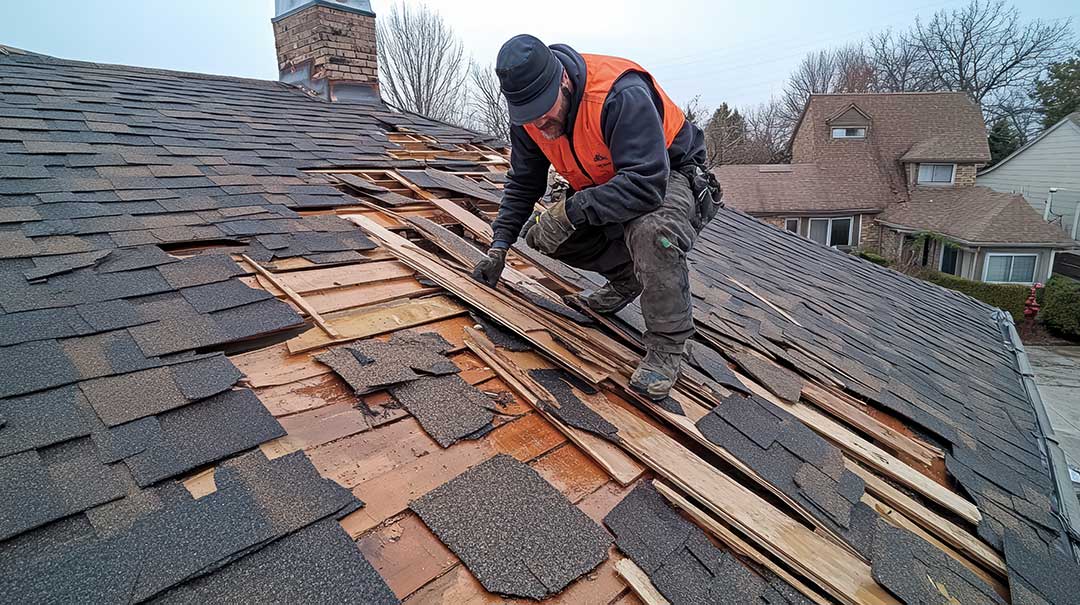
These signs suggest checking for other moisture entry points or considering further inspection to protect home integrity, especially in the damp Lake View climate.
Are There Common Myths or Mistakes in Dealing With Roof Stains?
Several myths circulate in the community:
- Pressure washing is safe: This can damage most asphalt roofs by removing protective granules.
- Stains only matter for curb appeal: Some marks point to problems underneath, and overlooking them can shorten roof life.
- Bleach kills everything: While bleach works on algae, overuse hurts your roof, landscaping, and runoff ecosystem.
- New roofs won’t stain: Even new shingles can develop stains within a season, especially if no preventive steps are taken.
Area homeowners often underestimate how rapidly summer storms or Lake Erie humidity can promote new staining, so ongoing vigilance helps more than a single intensive cleanup.
How Do Lake View’s Weather Patterns Affect Roof Stain Risks?
Local climate is a prime driver of how, when, and where stains appear. In Lake View, warm, wet springs and humid summers support algae, moss, and lichen, especially after mild winters with less snow cover. Coastal winds may carry spores and organic debris farther than in more sheltered inland towns. The prevalence of mature tree cover across the community’s older neighborhoods also increases shade and moisture retention, boosting stain risks. Residents may find that north-facing and shaded roofs see more stubborn stains due to staying damp longer than sun-exposed sections.
What Ongoing Habits Help Keep Roofs Looking Clean?
Lake View area households often succeed with several ongoing routines:
- Inspect the roof visually a couple of times a year, especially after strong storms or windy days.
- Clean gutters every fall and spring to minimize overflowing water.
- Trim nearby trees, watching for new shade patches as branches grow.
- Remove small moss patches or dark streaks as soon as they appear, rather than waiting for stains to spread.
Busy outdoor seasons and shifting weather make maintenance easy to postpone, but keeping up with these habits helps retain a roof’s condition year-round. Overlooking roof stains for too long can lead to more involved work later.
