
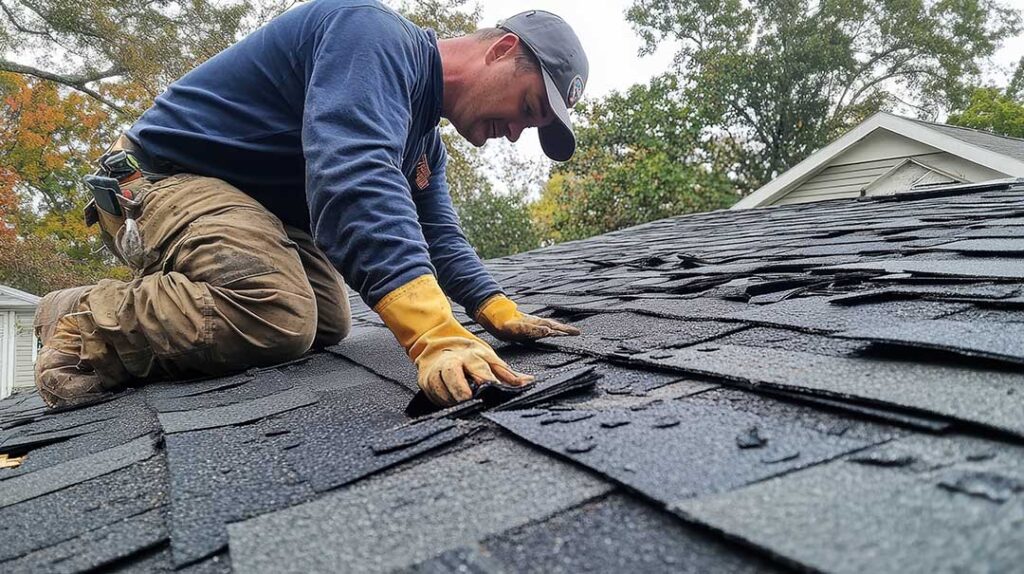
What Are the Most Frequent Errors Residents Make When Repairing Their Roofs?
Many homeowners in Lake View, NY attempt roof repairs to address leaks, missing shingles, or storm damage. While the intention is to protect property and save money, some well-meaning fixes can actually make problems worse or create new hazards. The most common errors relate to improper materials, poor weather timing, and overlooking hidden damage. Recognizing these pitfalls can help local residents maintain their roofs safely and effectively.
Why Is Using the Wrong Materials a Problem?
Choosing mismatched or incompatible materials can cause more harm than good. The local climate in Lake View often includes heavy snow, ice, and swift temperature swings. Materials not designed for these conditions may crack, curl, or fail prematurely.
For example:
- Installing standard shingles instead of ice-dam resistant versions can lead to leaks beneath accumulated snow.
- Using mismatched fasteners, such as regular nails instead of roofing nails, may result in loose shingles or panels after freeze-thaw cycles.
- Applying generic sealants over roof flashings may not withstand local winter moisture, resulting in recurring leaks.
Selecting repair materials tested for harsh winters and humidity, as well as matching existing roof components by brand, size, and type, helps ensure repairs will last through Lake View’s unpredictable weather.
Can Timing Influence the Quality of Roof Repairs?
Attempting roof repairs in poor weather is a mistake that often leads to recurring issues or incomplete fixes. In Lake View, sudden storms or early frosts can interrupt outdoor work, making the process unsafe and less effective.
For instance:
- Shingles installed during a cold snap may not seal properly, increasing the risk of wind damage.
- Repairs done in the rain or on wet surfaces may trap moisture beneath new materials, encouraging the growth of mold or rot.
- Working on a roof covered in frost, ice, or snow increases the risk of falls and can also crack certain roofing materials.
Whenever repairs are needed, waiting for clear, dry conditions that allow adhesives and flashings to set correctly will prevent new leaks or other failures.
Why Is Overlooking Hidden Damage Risky?
Superficial repairs, such as replacing a single shingle or patching a visible hole, are common among homeowners. However, underlying issues are often missed, especially in roofs exposed to years of Lake View’s wind-driven rain or rapid freeze-thaw cycles.
Problems that often go unnoticed include:
- Moisture intrusion under the roof deck, leading to slow rot or weakened structural supports.
- Damaged flashing around chimneys and vents that allows gradual leaks into attic insulation or interior ceilings.
- Blocked gutters or downspouts that cause water to back up under shingles, particularly after fall leaf drop.
Taking the time to inspect the attic, flashing, and drainage after storms or heavy snowmelts can help identify problems before they become expensive structural repairs.
Are Quick Fixes and Overuse of Roofing Cement Harmful?
It’s a common belief that an extra layer of roofing cement or caulk can solve leaks quickly. While these products offer a temporary solution, they often mask root causes and can trap moisture under the repair site.
Examples of this mistake include:
- Applying large amounts of tar or cement over leaky roof valleys or flashing, which may crack and deteriorate in seasonal temperature swings.
- Slathering caulk on damaged shingles instead of replacing them, leading to water seeping underneath and accelerating wood rot.
- Blocking roof ventilation with heavy-handed patching, raising attic humidity and encouraging mold growth during Lake View’s humid summers.
A more reliable approach is to remove damaged materials, check the underlying structure, and use patching only as a short-term solution until a proper repair can be completed.
How Can Safety Oversights Turn a Small Repair Into a Major Hazard?
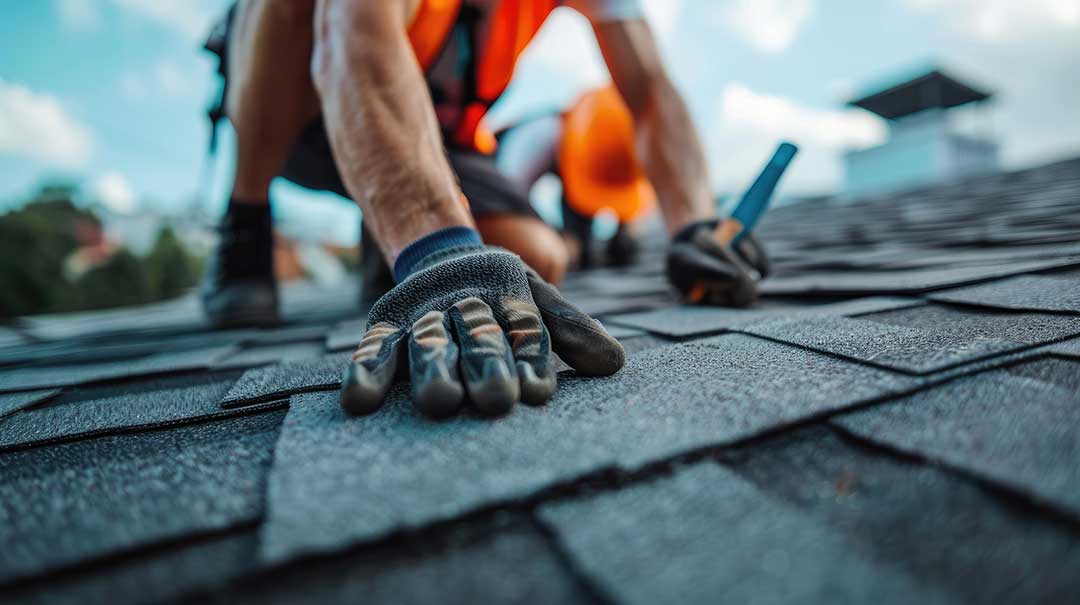
Roof work involves the risk of falls, especially with the variable winds and icy mornings common in Lake View. Underestimating these risks can lead to serious injuries. Residents sometimes skip essential safety steps, such as wearing non-slip shoes or using harnesses on steep roofs.
Other overlooked safety concerns include:
- Using metal ladders near power lines.
- Ignoring manufacturer safety instructions for roofing tools or nail guns.
- Attempting major repairs solo rather than having someone to assist or call for help if needed.
Prioritizing safety equipment, ladder stability, and weather conditions not only protects individuals, but also reduces mistakes caused by rushing or poor footing.
What Are the Consequences of Not Checking Local Codes or Permit Needs?
Ignoring municipal requirements may create issues during future home sales or inspections. Even in do-it-yourself scenarios, structural changes, re-roofing, or large repairs might require notification or a simple permit.
Lake View’s codes exist to ensure fire safety, wind resistance, and environmental compliance. Overlooking them can result in:
- Having to undo unauthorized work if discovered during a future inspection.
- Missing out on local support programs available after severe storms.
- Compromising insurance coverage for unapproved alterations.
Checking with local authorities before making substantial repairs helps align projects with area regulations and avoids unnecessary complications later.
How Do Improper Repairs Affect Insurance Claims?
Many local homeowners assume that a quick fix will satisfy insurance requirements after storm damage or leaks. However, documented repairs showing poor workmanship or non-compliant materials can lead to denied claims.
Insurance providers typically require:
- Evidence that repairs were performed to standard and did not worsen the original problem.
- Documentation of both the initial damage and the completed work.
- Use of materials suitable for local climate demands and code specifications.
Maintaining a record of repairs, including before-and-after photos and receipts for materials, ensures that future claims are not jeopardized due to mistakes made in the repair process.
