
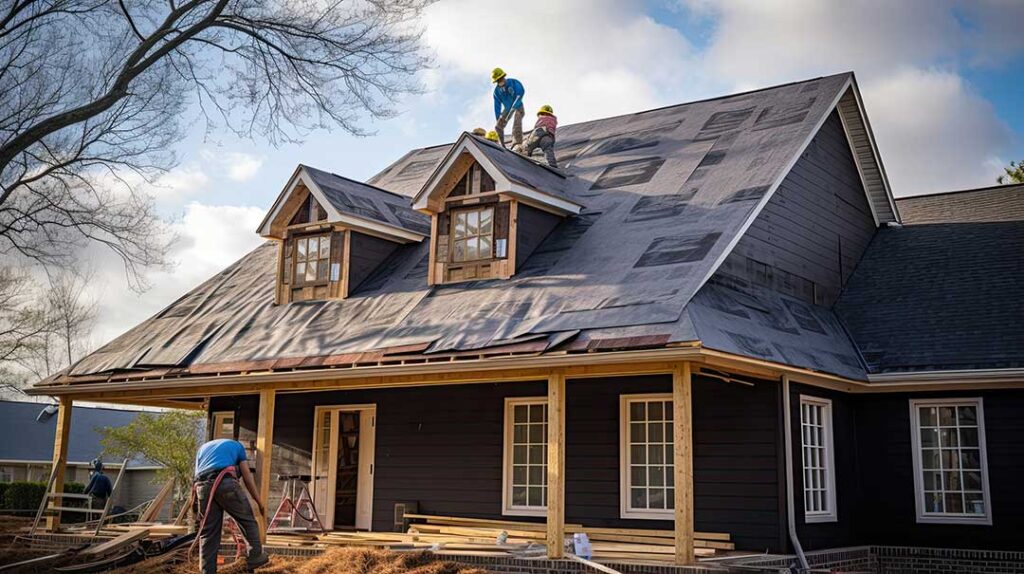
What Is Roof Decking and Why Does It Matter?
Roof decking forms the base layer under shingles or other exterior roofing materials. It’s usually made from plywood or oriented strand board (OSB) and serves as the surface to which shingles attach. In homes throughout Lake View, a solid roof deck is essential for stability, weather protection, and insulation.
When the decking begins to fail, the entire roof system is at risk. Early detection is crucial, since water intrusion here can go unnoticed until repairs become extensive and costly.
How Do Weather and Climate in Lake View Affect Roof Decking?
Lake View’s climate brings wet springs, humid summers, and snowy winters—each putting distinctive stress on roof structures. Moisture is a common culprit, but wind-driven rain and freeze-thaw cycles can also accelerate deterioration, especially in older homes or those with inadequate attic ventilation.
In the community, rapid temperature swings and lake-effect storms mean residents should pay attention to subtle changes in roof performance—these are often early warning signs related to the decking.
What Visual Signs Signal Decking Issues?
A visual inspection, even from the ground or attic, may reveal several clues:
- Wavy or Sagging Roofline: If the roof appears uneven, dips, or sags between rafters, the decking may be weakened—often by long-term moisture or rot.
- Exposed or Lifting Nails: Shingles with popped nails or fasteners that won’t stay secure can signal soft or rotted wood beneath.
- Interior Water Stains: Brownish stains on ceilings or in the attic may suggest that moisture has made its way through multiple roof layers, affecting the deck itself.
- Visible Mold or Black Spots in the Attic: Mold usually indicates sustained moisture and poor ventilation, two threats to the integrity of roof decking in area homes.
These signs tend to be more common after heavy rain, snowmelt, or high winds—conditions that Lake View experiences each year.
Can You Identify Problems From Inside the Attic?
Checking the attic when safe to do so provides another perspective:
- Soft Spots or Wood Delamination: Walking in the attic and noticing any “spongy” spots underfoot (step only on joists for safety) or seeing layers of plywood separating can signal decay.
- Rusty Fasteners or Dripping Water: Signs like corrosion on nails, rusty metal brackets, or active water drips clearly point to ongoing leaks.
- Musty or Damp Smells: Persistent odors of damp wood or mildew are often early signs of chronic moisture intrusion, sometimes before visible damage appears.
Attic insulation that’s wet or compacted can also indicate water from above—a factor sometimes missed in quick inspections.
Are There Subtle Signs Many Lake View Homeowners Overlook?
Some clues go unnoticed or can be mistaken for minor, unrelated issues:
- Creased or Buckling Shingles: Shingles that suddenly look bent or “wrinkled” may actually be telegraphing deeper wood movement or swelling beneath the surface.
- Unusual Pest Activity: Small infestations of carpenter ants or beetles, particularly in attic spaces, may be attracted to soft, damp wood. This can point to hidden rot or mold in the decking.
- Nail Pops Inside the House: Nails or drywall screws working loose anywhere near the attic or upper floors sometimes tie back to roof structure changes, especially during freeze-thaw cycles.
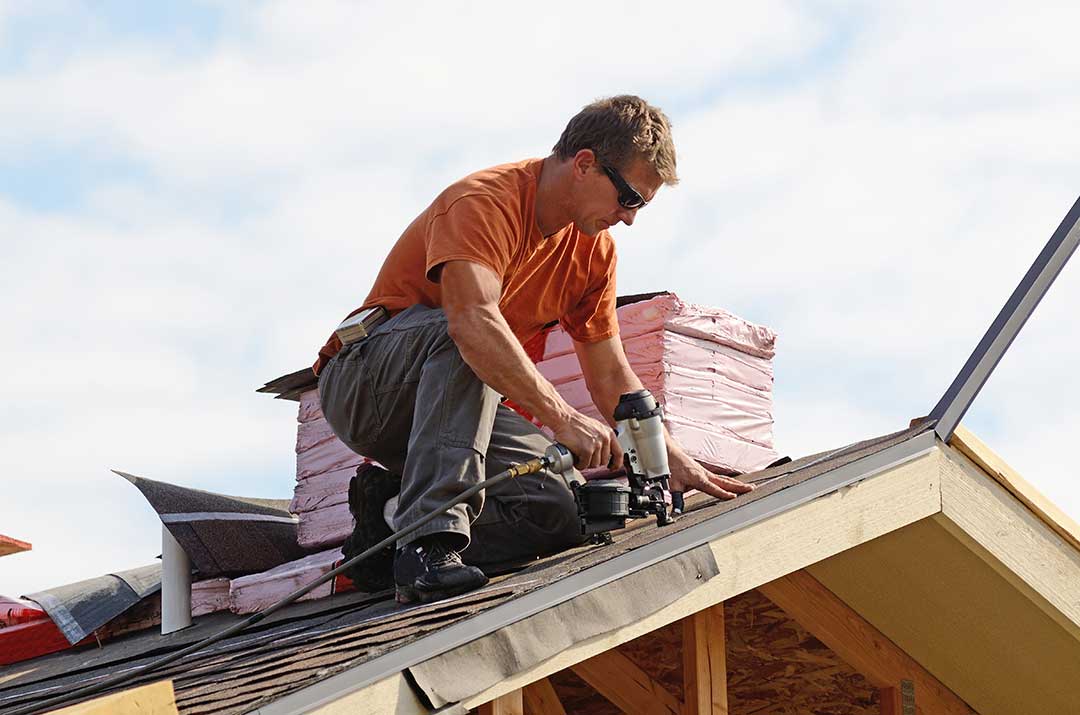
How Quickly Should Residents Respond to Potential Decking Problems?
If any of these concerns are present, timely attention is key. Decking issues rarely reverse on their own; left unchecked, they can weaken structural supports, increase heating costs, and eventually require major repairs.
In Lake View, moisture-damaged decking usually leads to further water infiltration, interior mold growth, and more extensive roof and ceiling damage. Minor sagging or staining can escalate within a single wet season, so prompt investigation helps prevent bigger headaches.
Can These Signs Be Mistaken for Other Roofing Issues?
Some symptoms can be confused with surface-layer problems, like old or missing shingles, clogged gutters, or flashing failures. However, surface repairs that repeatedly fail to solve water intrusion are a strong indicator the underlying deck should be examined.
It’s common in the city for older homes to have multiple roof layers over aging decking, hiding deeper problems until the integrity of the plywood or OSB itself is compromised.
What Maintenance Practices Prevent Decking Deterioration in This Area?
Local homeowners can reduce the odds of decking damage by focusing on moisture management:
- Ensure attic ventilation is adequate to prevent condensation and promote drying.
- Keep gutters and downspouts clear to avoid standing water and roof overflow.
- Trim tree branches to reduce moss growth and shade, which contribute to mold and moisture retention.
- After severe storms, inspect attics for new stains, smells, or signs of water entry.
Consistent monitoring means residents can address issues while they’re still minor, helping protect homes from wider structural damage common to neglected decking.
