
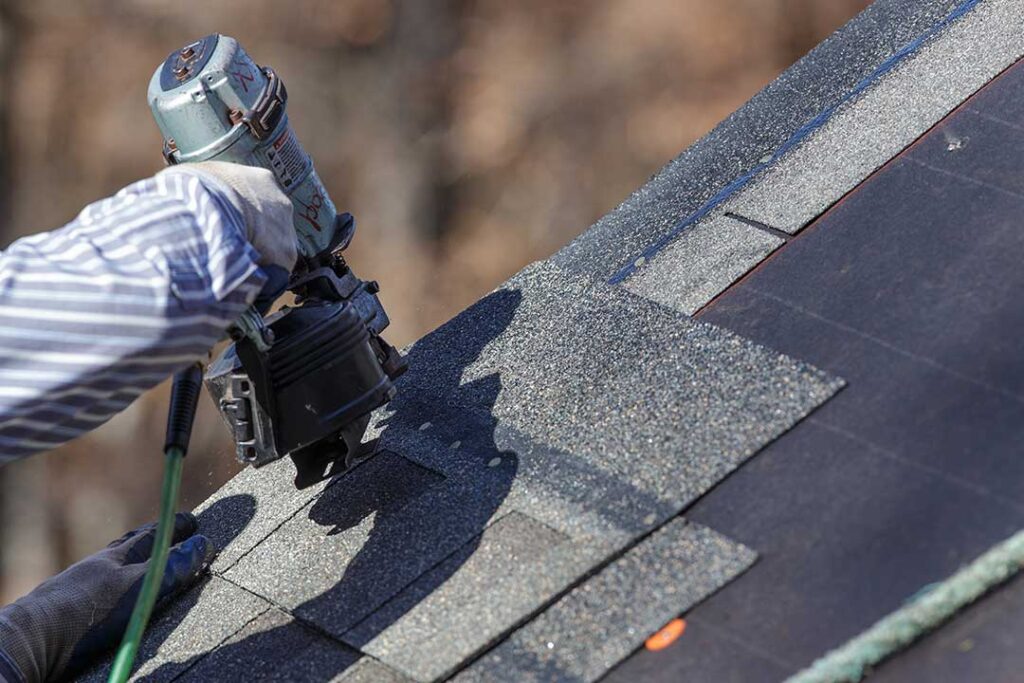
Roof coatings can protect certain roofing systems, improve water resistance, and sometimes extend the useful life of a roof. They are not a universal fix, however. The right result depends on the roof material, its condition, the coating chemistry, drainage, and whether the roof can properly dry after application.
For homeowners in Lake View, NY, seasonal moisture, snow, ice, wind, and repeated freeze-thaw cycles make those details especially important. A coating may be useful on a sound low-slope roof, but applying the wrong product to an aging shingle roof can create new problems.
What is a roof coating?
A roof coating is a fluid-applied layer installed over an existing roofing surface. After curing, it forms a continuous film intended to protect the roof from water, sunlight, weathering, or corrosion.
Common coating types include:
- Acrylic coatings, often used for reflectivity and weather protection
- Silicone coatings, valued for water resistance and use on some low-slope systems
- Polyurethane coatings, which may provide toughness and impact resistance
- Asphalt-based or aluminum-pigmented coatings, used on certain smooth-surface roofing materials
- Elastomeric coatings, designed to stretch and accommodate limited movement
A coating is different from roof cement or a patch. It is also different from replacing the roof covering. Coatings generally work best as part of a compatible roof system rather than as a substitute for correcting structural or drainage problems.
What are the main advantages?
The biggest benefit is that a suitable coating can add a protective layer without removing the entire existing roof covering. This may reduce tear-off waste and limit disruption when the underlying roof is still fundamentally sound.
Other potential advantages include:
Improved water resistance
A properly applied coating can reduce exposure to rain and help seal small surface imperfections. On some low-slope roofs, a seamless coating can reduce the number of vulnerable joints and laps.
This benefit depends on proper preparation. A coating cannot reliably compensate for open seams, deteriorated flashing, standing water, or damaged substrate.
Extended service life
Coatings may slow weathering caused by ultraviolet radiation, moisture, and surface oxidation. They can be useful when a roof is aging but still has adequate structural integrity.
“Extend the life” does not mean “make an old roof new.” If the roof deck is soft, the membrane is extensively cracked, or water has already entered the building assembly, coating alone is unlikely to provide a durable solution.
Reduced surface temperature
Light-colored reflective coatings can reduce the amount of solar heat absorbed by the roof surface. This may be more noticeable on low-slope roofs with large exposed areas, especially during sunny summer weather.
The energy benefit is less predictable on steep residential roofs, shaded roofs, or homes where attic insulation and ventilation have a greater influence on indoor temperatures.
Less tear-off waste
A restoration coating may avoid removing a roof covering that is still serviceable. That can reduce disposal volume and shorten the project compared with a complete replacement.
This environmental advantage applies only when the existing roof is suitable for restoration. Covering concealed damage does not eliminate it.
What are the disadvantages and risks?
Roof coatings have limitations that are sometimes understated. The most serious concern is using a coating on a roof surface that was never designed to receive it.
Coatings do not repair major roof damage
A coating will not correct:
- Rotten decking
- Sagging roof structure
- Failed flashing
- Large membrane splits
- Extensive blistering
- Poor drainage
- Persistent ponding water
- Widespread moisture trapped beneath the roof
Applying a waterproof layer over wet materials may trap moisture and accelerate deterioration. Preparation and moisture assessment are therefore more important than the coating color or advertised lifespan.
Compatibility can be difficult
Different roof membranes, metal finishes, asphalt surfaces, and insulation systems respond differently to coatings. Some require primers, reinforcement, or specific application temperatures. Others should not be coated at all.
Asphalt Roofing Manufacturers Association guidance warns against field-applied coatings over installed asphalt shingles unless the shingle manufacturer specifically approves the practice. Reported problems include curling, cupping, granule loss, and changes to the roof assembly’s performance characteristics. ([asphaltroofing.org](https://www.asphaltroofing.org/coating-of-asphalt-shingles-after-installation/?utm_source=openai))
This is particularly relevant to many homes in the area, where asphalt shingles are common. A product marketed as a “shingle rejuvenator” should not be assumed to be compatible simply because it is sold for residential roofs.
Weather affects application and curing
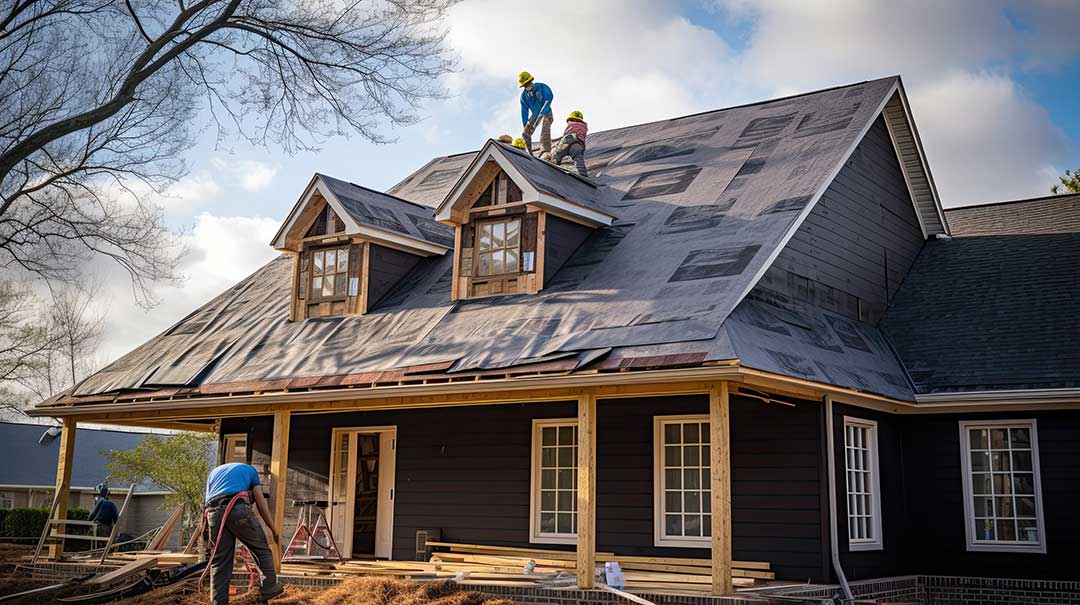
Roof coatings generally need a clean, dry surface and suitable temperatures during application and curing. Rain, dew, high humidity, wind, and cold temperatures can interfere with bonding or leave the coating undercured.
For local projects, the usable application season may be narrower than expected. A roof that appears dry in the afternoon can still hold moisture in shaded areas or beneath surface irregularities. Applying a coating shortly before a cold, wet period can affect the final result.
Ponding water remains a concern
Some coatings tolerate intermittent moisture better than others, but coating a low area does not correct the reason water collects there. Repeated ponding can weaken the coating, expose seams, and shorten the expected service life.
Flat and low-slope roofs should be evaluated for drainage before coating is considered. Gutters, downspouts, scuppers, drains, and roof-to-wall transitions deserve attention as part of the same assessment.
Future repairs may become harder
A cured coating can make it more difficult to identify original seams, patches, leaks, or material transitions. It may also complicate future repairs if the next repair material does not bond well to the coated surface.
Documentation of the coating type, application date, preparation method, and repaired areas can help future maintenance.
Are roof coatings a good idea for asphalt shingles?
Usually, caution is warranted. Installed asphalt shingles are manufactured with specific layers, granules, adhesives, and fire-performance characteristics. A field-applied coating may soften asphalt, loosen granules, trap moisture, or interfere with the shingles’ intended behavior.
A coating may be appropriate for some smooth-surface asphalt roofing products, but smooth-surface roll roofing is not the same as granule-surfaced shingles. Manufacturer instructions should control the decision. If the shingles are curled, brittle, losing granules, or near the end of their expected service life, coating is generally not a reliable substitute for replacement.
Which roofs are more commonly suited to coating?
Coatings are more commonly considered for certain low-slope systems, including compatible single-ply membranes, modified bitumen, built-up roofing, metal, and some smooth-surface asphalt roofs.
Suitability depends on the complete assembly, not just the visible top layer. The roof should be assessed for:
- Surface condition and adhesion
- Moisture beneath the membrane
- Seam and flashing integrity
- Drainage and ponding
- Existing coatings and primers
- Manufacturer requirements
- Safe access and fall protection
Roof coatings are not automatically suitable for every metal roof, either. Rust, loose fasteners, failed sealants, and movement at panel joints may need correction before coating.
How should a homeowner evaluate the decision?
The central question is not “Which coating lasts the longest?” It is “Is this roof a sound candidate for a compatible restoration system?”
A practical evaluation should establish:
1. What material is currently on the roof?
2. Is the roof dry beneath the surface?
3. Are leaks isolated or widespread?
4. Does the roof drain properly?
5. Is the substrate strong enough to support another layer?
6. Does the roof manufacturer permit the proposed coating?
7. Can the coating cure under local weather conditions?
8. Will the coating affect warranties, fire classifications, or future repairs?
For homes exposed to snow, wind, ice, and repeated seasonal temperature changes, a coating should be viewed as a system decision rather than a paint-like maintenance task. On the right roof, it can provide useful protection. On the wrong roof, it can conceal damage, trap moisture, and make later repairs more complicated.
