
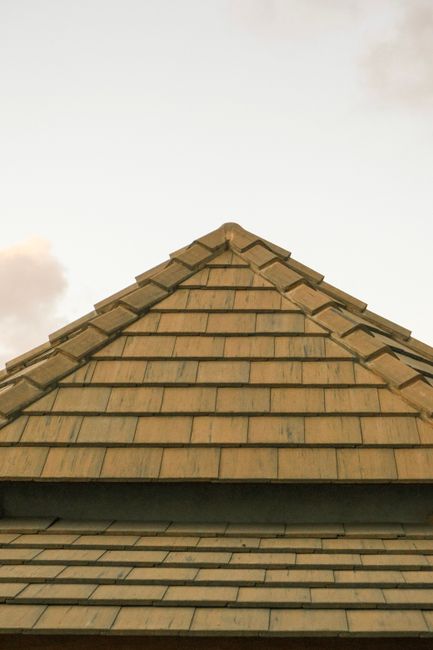
A cool roof is designed to absorb less solar heat than a conventional roof. By reflecting more sunlight and releasing absorbed heat more effectively, it can help reduce summer heat entering a building.
For households in Lake View, NY, the value of this approach depends on the roof’s color, material, slope, insulation, attic ventilation, air-conditioning use, and exposure to sun. A cool roof is not automatically the right choice for every home, but it can be a practical part of a broader energy-efficiency plan.
What makes a roof “cool”?
A cool roof is defined by performance, not simply by appearance. Two characteristics matter most:
- Solar reflectance: How much sunlight the surface reflects instead of absorbing.
- Thermal emittance: How efficiently the surface releases the heat it has absorbed.
A light-colored roof often reflects more sunlight than a dark roof, but color alone does not tell the entire story. Some darker roofing materials use reflective pigments that reduce solar heat gain while preserving a traditional appearance.
Cool roofing options may include reflective metal panels, specially manufactured shingles, reflective coatings for suitable low-slope roofs, and certain tile or membrane systems. The product must still be appropriate for the roof’s slope, drainage pattern, weather exposure, and existing construction.
How can a cool roof improve summer comfort?
The primary benefit is reduced heat transfer from the roof into the building. On a sunny summer afternoon, a conventional dark roof can become much hotter than the surrounding air. That heat can move through the roof deck, insulation, attic, and ceiling.
A more reflective roof stays cooler at the surface, which may help:
- Reduce attic temperatures
- Limit heat entering upper-floor rooms
- Improve comfort during hot weather
- Reduce the workload on air-conditioning equipment
- Lower peak electricity demand during the hottest part of the day
The effect is usually most noticeable in homes with limited attic insulation, finished upper floors, large sun-facing roof areas, or air-conditioning systems that already work hard during heat waves.
A cool roof does not replace insulation or ventilation. If an attic has compressed insulation, air leaks, blocked soffit vents, or inadequate exhaust ventilation, changing the roof surface alone may produce limited improvement.
Can a cool roof lower energy bills?
It can reduce cooling energy use, but the savings vary considerably. A home with no air conditioning may experience better indoor comfort without seeing a major utility reduction. A highly insulated home may also see a smaller percentage improvement because less heat reaches the living space in the first place.
The greatest potential usually occurs when several conditions overlap:
- The roof receives strong, unobstructed summer sunlight.
- The roof covering is relatively dark or heat-absorbing.
- The attic or upper floor becomes uncomfortably hot.
- The home uses air conditioning regularly.
- Insulation and air sealing are adequate enough for roof reflectance to make a noticeable difference.
Energy savings should not be assumed from color alone. Roofing products should be evaluated using tested reflectance and emittance information, along with the condition of the whole roof assembly.
Does a cool roof help during Lake View winters?
Winter performance requires a balanced view. A reflective roof can reduce solar heat gain during cold months, sometimes creating a modest heating penalty. However, winter days are shorter, the sun is lower in the sky, and snow cover can reflect sunlight regardless of the roof’s original color.
In a northern climate, heating demand is usually more strongly affected by insulation, air leakage, windows, and heating-system efficiency than by roof color. A roof should not be selected solely for summer reflectance without considering winter moisture, snow, ice, and ventilation.
For many homes, the practical approach is to improve the building envelope first. Air sealing and attic insulation can reduce unwanted heat flow in both directions: they help keep summer heat out and winter warmth in.
Are cool roofs suitable for homes with snow and ice?
They can be, but reflective performance is only one part of roof design. The roof must also handle repeated cycles of snow, freezing temperatures, thawing, wind, and moisture.
Important considerations include:
- Proper underlayment and flashing
- Reliable drainage at eaves, valleys, and roof penetrations
- Adequate attic ventilation where the roof design calls for it
- Resistance to wind and impact appropriate for the area
- Compatibility with ice-dam protection details
- Safe attachment of metal panels or other lightweight materials
A cool roof does not prevent ice dams. Ice dams are more closely associated with uneven roof temperatures, heat escaping into the attic, snow accumulation, and drainage conditions. Improving insulation and air sealing is often more relevant to ice-dam control than simply choosing a lighter roof color.
What are the environmental benefits?
When many buildings use reflective roofs, less heat is released from roof surfaces into the surrounding air. This can modestly reduce localized heat buildup, especially in areas with many roofs and paved surfaces.
At the individual-building level, lower cooling demand may also reduce the electricity required during peak summer periods. That can contribute to lower associated emissions, depending on how electricity is generated.
A cool roof does not provide every environmental benefit associated with a green roof. It generally does not absorb stormwater, support vegetation, or create habitat. Its main advantages are heat reduction, comfort, and possible cooling-energy savings.
Are there disadvantages?
Cool roofs have limitations and trade-offs.
A reflective material may cost more than a standard option, depending on the product and installation method. Some coatings require periodic cleaning or maintenance because dirt and biological growth can reduce reflectance. A bright surface may also create glare if its position directs reflected sunlight toward neighboring windows or outdoor areas.
The roof’s existing condition matters as well. Applying a coating over a deteriorated surface does not correct damaged decking, failing flashing, poor drainage, or widespread leaks. A roof that is near the end of its service life may need a different evaluation than a roof that is structurally sound and being maintained.
What should residents compare before choosing one?
The most useful comparison is not “light roof versus dark roof.” It is the performance of the complete roof system.
Questions worth considering include:
- Is the roof steep-sloped or low-sloped?
- Is the attic insulated and properly ventilated?
- Which roof areas receive the most summer sun?
- Is air conditioning used frequently?
- Will the material handle snow, wind, and freeze-thaw cycles?
- Are reflectance and emittance values tested for the specific product?
- Does the proposed assembly meet applicable New York State construction and energy requirements?
- Will the roof color or surface create glare for nearby windows?
For some commercial and low-slope roof assemblies, energy-code requirements may address roof reflectance and thermal emittance. Residential requirements and product choices can differ, so code compliance should be checked for the specific project rather than assumed from a general description.
A cool roof is best understood as one component of responsible roof design. In Lake View, the strongest results generally come from matching reflective performance with sound flashing, effective insulation, controlled air leakage, proper ventilation, and materials suited to the area’s seasonal weather.
