
Can Roofing Materials Be Recycled in Lake View, NY?
Yes, many types of old roofing materials used on homes in Lake View can be recycled, but the process can differ based on material type and local recycling options. Asphalt shingles, metal panels, clay tiles, and wooden shakes each have different pathways and considerations when it comes time for responsible disposal. Knowing how to sort, clean, and prepare these materials helps reduce landfill waste and benefits the community’s environment.
What Roofing Materials Are Commonly Recyclable?
Most roofing tear-offs in Lake View consist of asphalt shingles, with metal, tile, and wood materials occasionally found on older or custom-built homes.
Asphalt Shingles:
Asphalt shingles are by far the most common. In many areas, they can be processed and reused in road construction or as aggregate. However, contamination with nails, flashing, or plastic must be minimized.
Metal Roofing:
Steel, aluminum, and copper roofing are highly recyclable. Unlike shingles, metal roofing is often accepted at most scrap metal yards, provided it is free of fasteners and other debris.
Clay and Concrete Tiles:
These are less common in the community but are sometimes salvaged for secondary use. When broken, they can sometimes be crushed for use in landscaping or as aggregate.
Wooden Shakes and Shingles:
If untreated, these may be composted or turned into mulch in some municipal programs. Treated wood is generally not accepted for recycling due to additives used for preservation.
How Should Residents Prepare Roofing Materials for Recycling?
Begin with sorting materials into like groups and removing contaminants. For local households replacing a roof:
- Separate metal, asphalt, tile, and wood into different piles.
- Remove nails, flashing, underlayment, and any attached non-roofing debris.
- Stack materials neatly to facilitate hauling and minimize loose debris.
Keeping recycling piles dry and covered is important in Lake View’s variable weather. Wet materials are less desirable for processors and can create additional handling challenges.
Where Can Roofing Materials Be Taken for Recycling?
Residents usually have a few local options:
- Municipal recycling centers: Check if the Lake View public works or transfer station accepts roofing materials, as some facilities have seasonal or volume restrictions.
- County hazardous and bulky waste days: Occasionally, special events allow for roof debris drop-off.
- Metal scrap yards: These locations will take metal panels and flashing if sorted and reasonably clean. Identification may be required for larger loads.
- Construction and demolition recycling facilities: Some counties contract with private facilities to divert materials from landfills. Not all accept asphalt shingles, so advance inquiry is needed.
Disposal guidelines and hours of operation can change, so it’s wise to consult the city’s waste management information or websites for current details before loading a vehicle.
What Are the Local Regulations for Roofing Waste in This Area?
Disposal of construction and demolition debris, including old roofing, is subject to New York State and Erie County regulations as well as any rules specific to Lake View.
- Bulk quantities of construction debris, which includes shingles, tiles, and wood, typically are not collected curbside and must be hauled to approved sites.
- Illegal dumping can result in citations.
- Contractors performing roof replacement on homes within the city are generally responsible for removing and properly disposing of old material, but homeowners managing repairs themselves must follow the same rules and use legal disposal routes.
Can Asphalt Shingles Be Safely Recycled, and What Happens to Them?
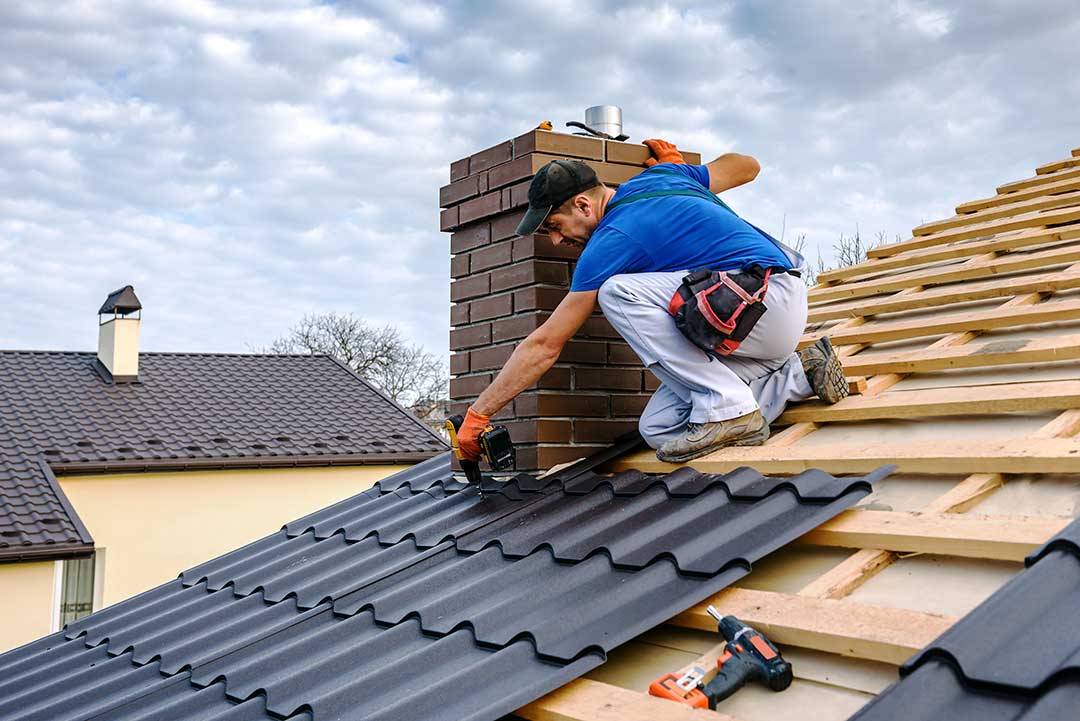
Asphalt shingle recycling has increased in recent years; in many cases, shingles can be ground and reprocessed.
- The main use for recycled asphalt shingles is in civil engineering projects, especially as a component in paving roads or as base material.
- Shingles must be free of trash, plastics, and excessive tar paper to be accepted at most processors.
- A persistent myth is that recycled shingles go straight to landfills—while this can happen if loads are contaminated, local and regional efforts have cut down on this outcome.
Are There Any Special Considerations for Older Roofing Materials?
Older homes in Lake View may have roofing installed before the 1980s, which can raise certain health or safety issues:
- Asbestos: Sometimes found in some old roofing tiles and underlayments. If suspected, do not handle the material yourself—state law requires testing and handling by certified professionals due to serious health risks.
- Lead-based flashing: May still be present on some roofs and should be treated as hazardous waste.
If there is any reason to believe dangerous materials are present, consult with the appropriate public health authority rather than attempting to recycle or handle these materials independently.
How Can Homeowners Reduce Roofing Waste Overall?
Recycling isn’t just about processing what is torn off; it also involves smarter purchasing and reuse decisions:
- When planning a roof replacement, estimate as accurately as possible to avoid surplus.
- For asphalt roofs, consider overlays only if permitted and structurally sound, as it reduces tear-off waste.
- Salvage undamaged tiles, shakes, or metal for possible reuse, donation, or creative secondary projects like garden sheds or planters.
For those interested in sustainability, roofing material selection and careful planning can reduce waste generation for future replacements in homes across the community.
